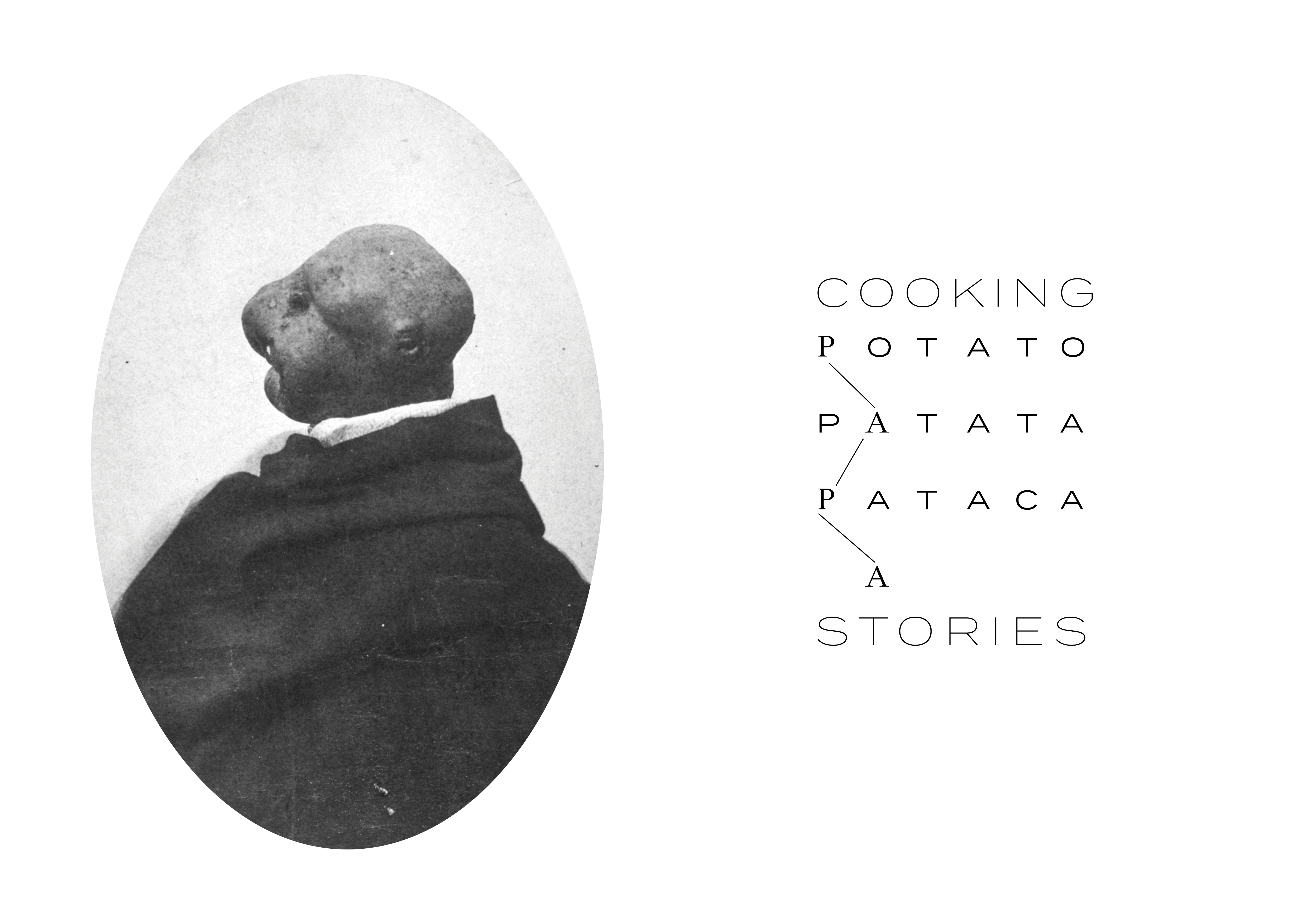
COOKING POTATO STORIES
autobiography; potatoes provide a way for us to
speak about ourselves”
Earle, Rebecca. 2019.
Potato. Bloomsbury Academic
What can a potato tell us about ourselves? What does it say about the construction of national identity? What role can new narratives around it play in how a society imagines itself and other worlds? How can translocal stories and food cultures be connected as an inroad to address forgotten colonial legacies and the wider context of political, social, and emotional relationships?These are some of the questions that lead to the harvesting of stories around the potato that forms Cooking Potato Stories.
This work has its roots in the tension between personal and social identity and the historical and cultural influences on its formation. Using the role of the potato as a conductive narrative, I question the power structures behind the construction of identity, based on my own experience moving between Latin America and Europe. It is a transatlantic recipe that mixes the "here" and "there", which includes different ingredients such as heritage, history, imaginary, tradition and autobiography to reflect on how a society imagines itself and other worlds based in the stories they tell each other.
︎Listen to the collection of Potato Stories
︎Cooking Potato Stories Newspapers
· Switzerland
· Ireland
· Czech Republic
· Netherlands
︎ PDF version of Cooking Potato Stories Thesis
(epub on request)
· FOAM, Photographiemusem Amsterdam, The Netherlands
· Festival Circulations. Paris, France
· Photo Ireland. Dublin, Ireland
· Athens Photo Festival, Greece
· Landskrona Photo Festival, Sweden
· Wilhelm-Hack-Museum. Ludwigshafen am Rhein, Germany
· Getxophoto. Getxo, Spain
· WE ARE AIA. Zurich, Switerzland
· Food Culture Days. Vevey, Switerzland
· Biennale für aktuelle Fotografie, Germany
· Photaumnales. France
· Feria de fotografía. LABA (Laboratorio de Artes de Buenos Aires). Argentina
· Terra Madre. Paratissima Art Gallery. Turin. Italy
·Friction Atlas. KABK. The Hague, The Netherlands



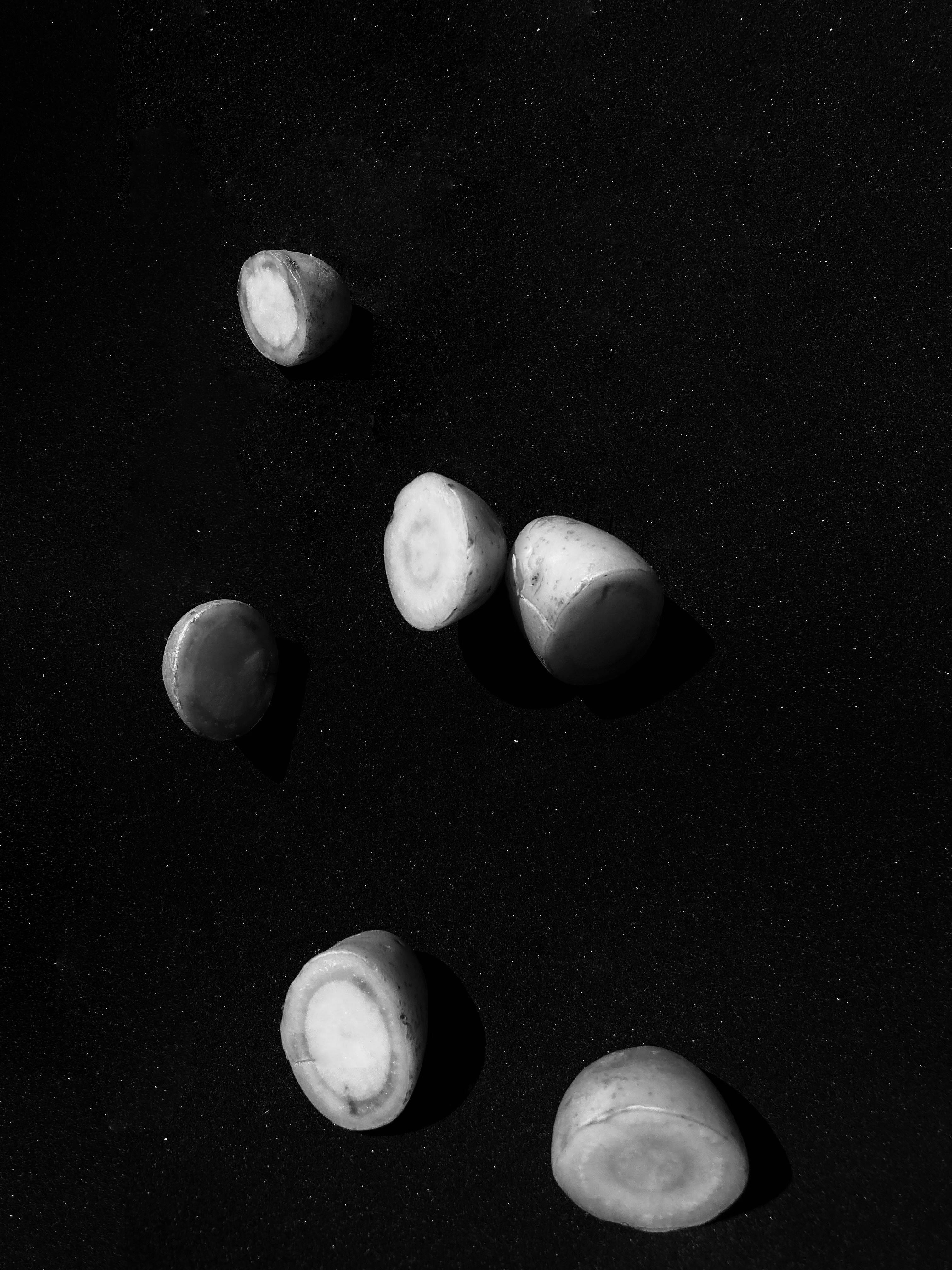
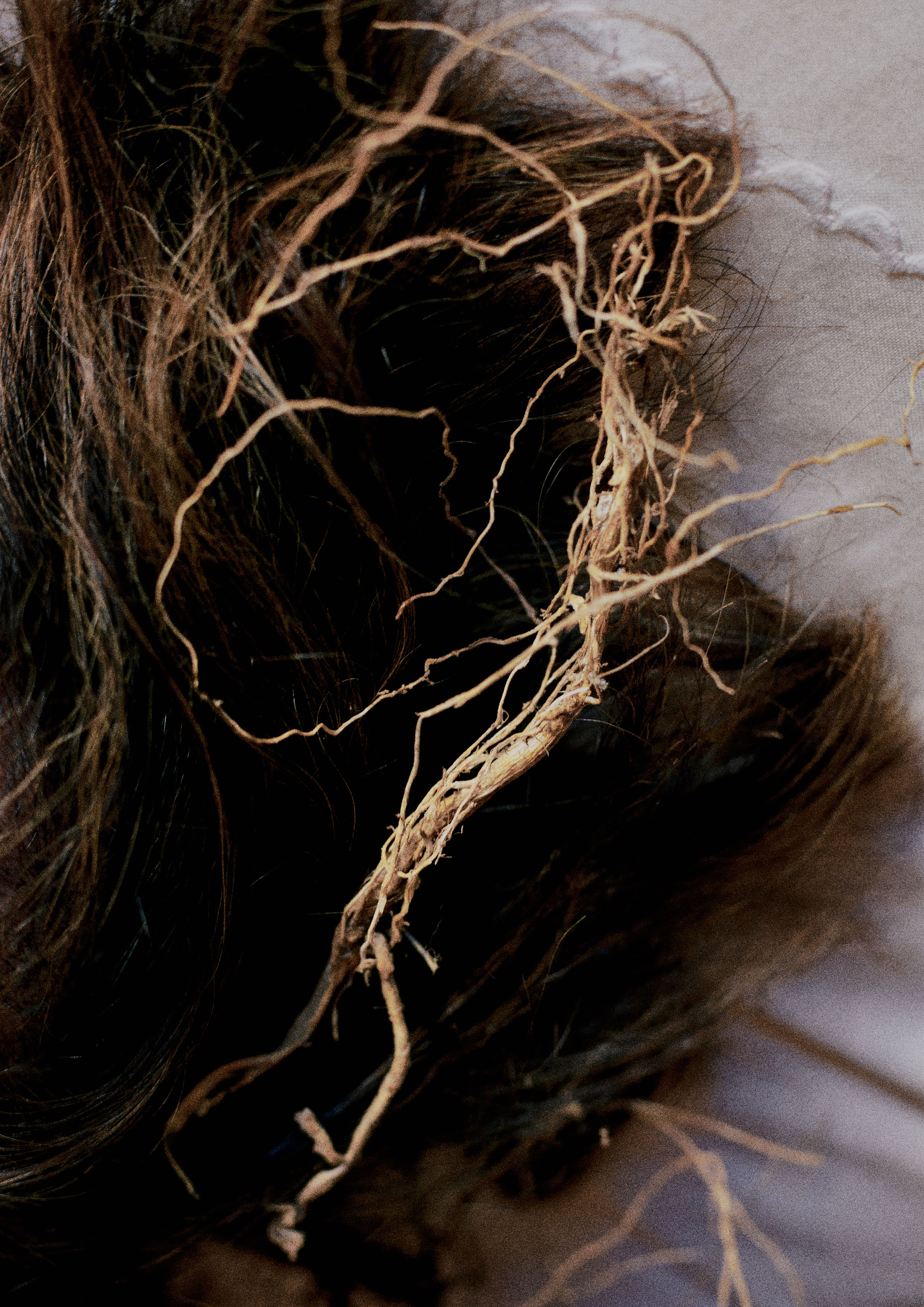
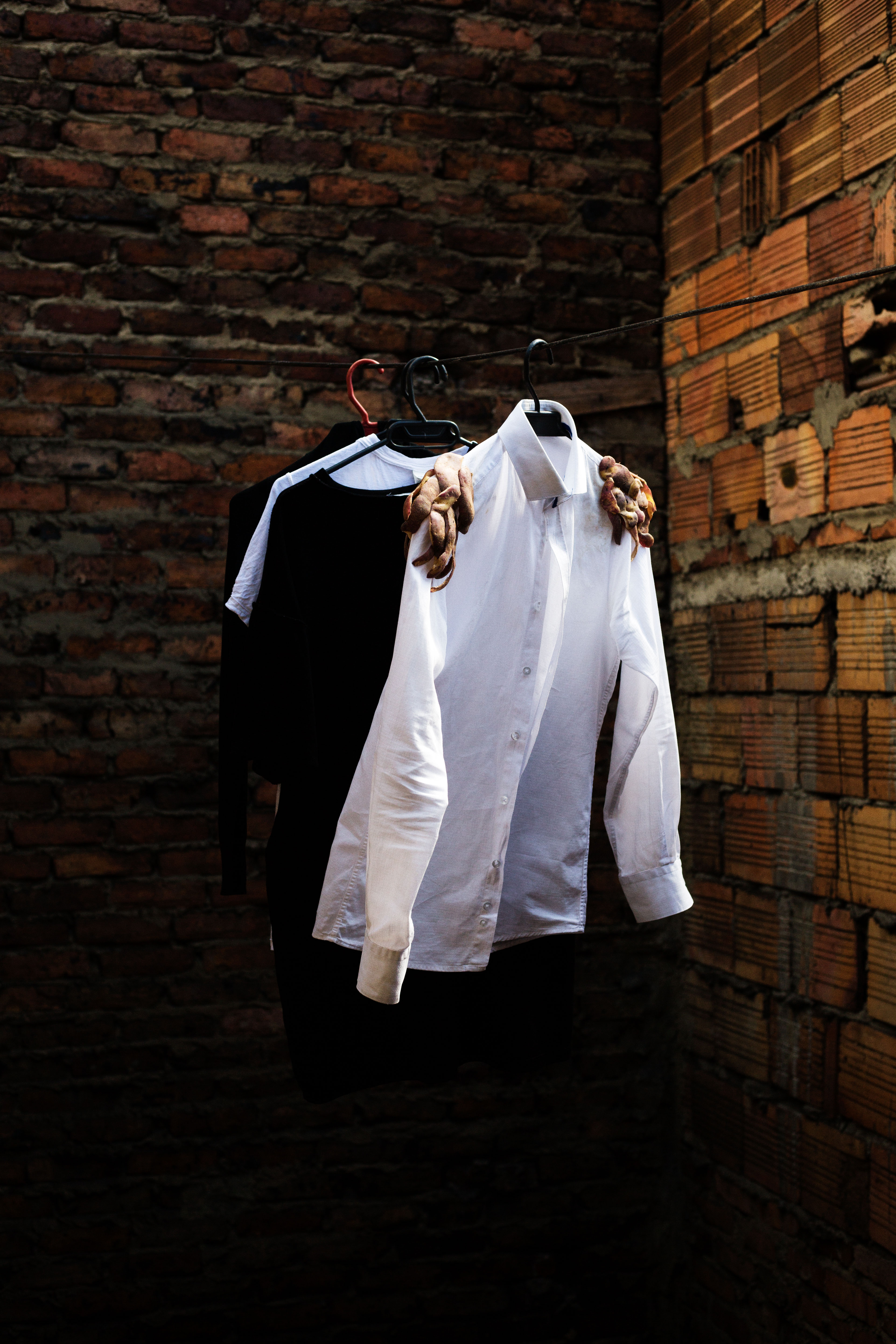
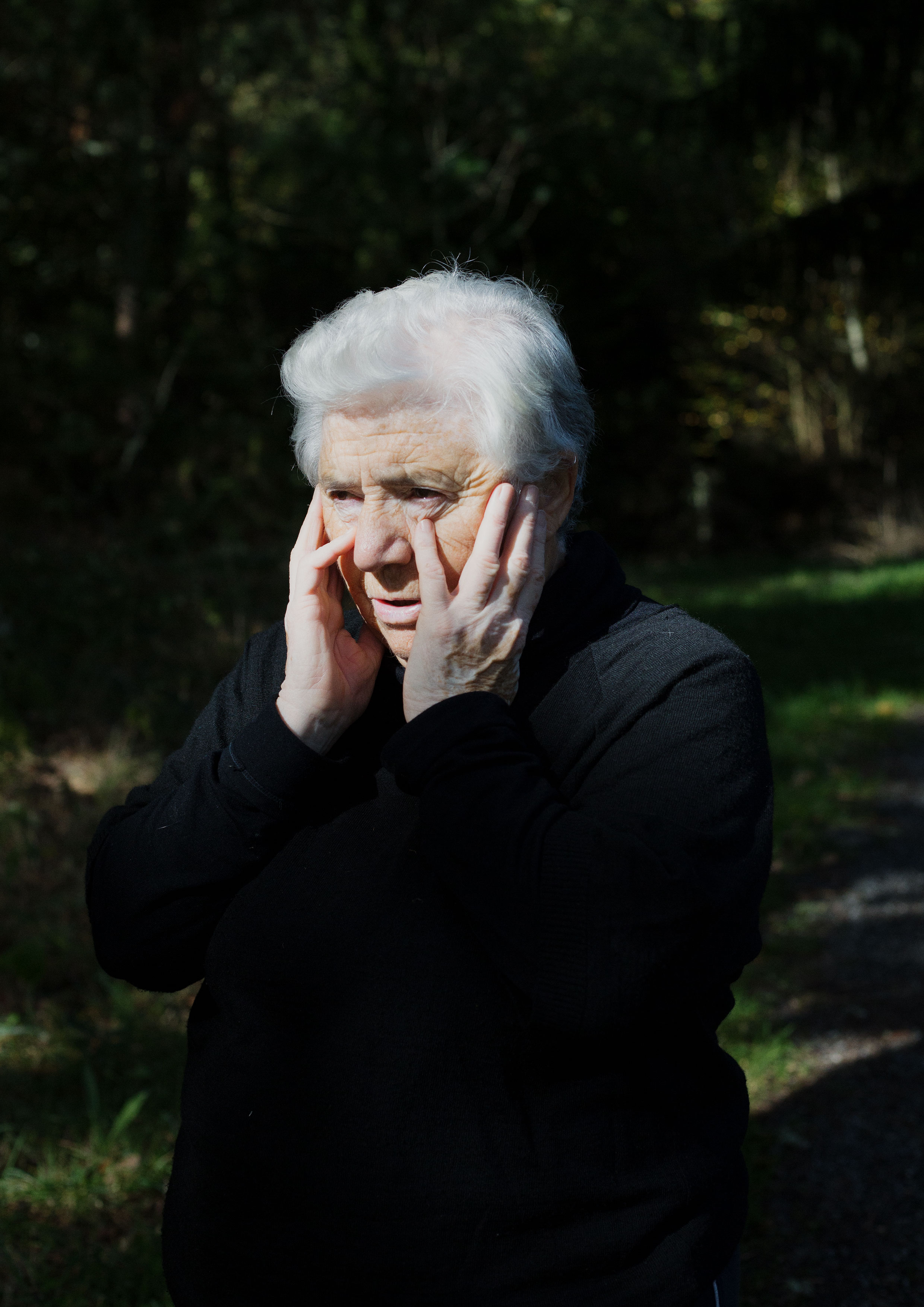

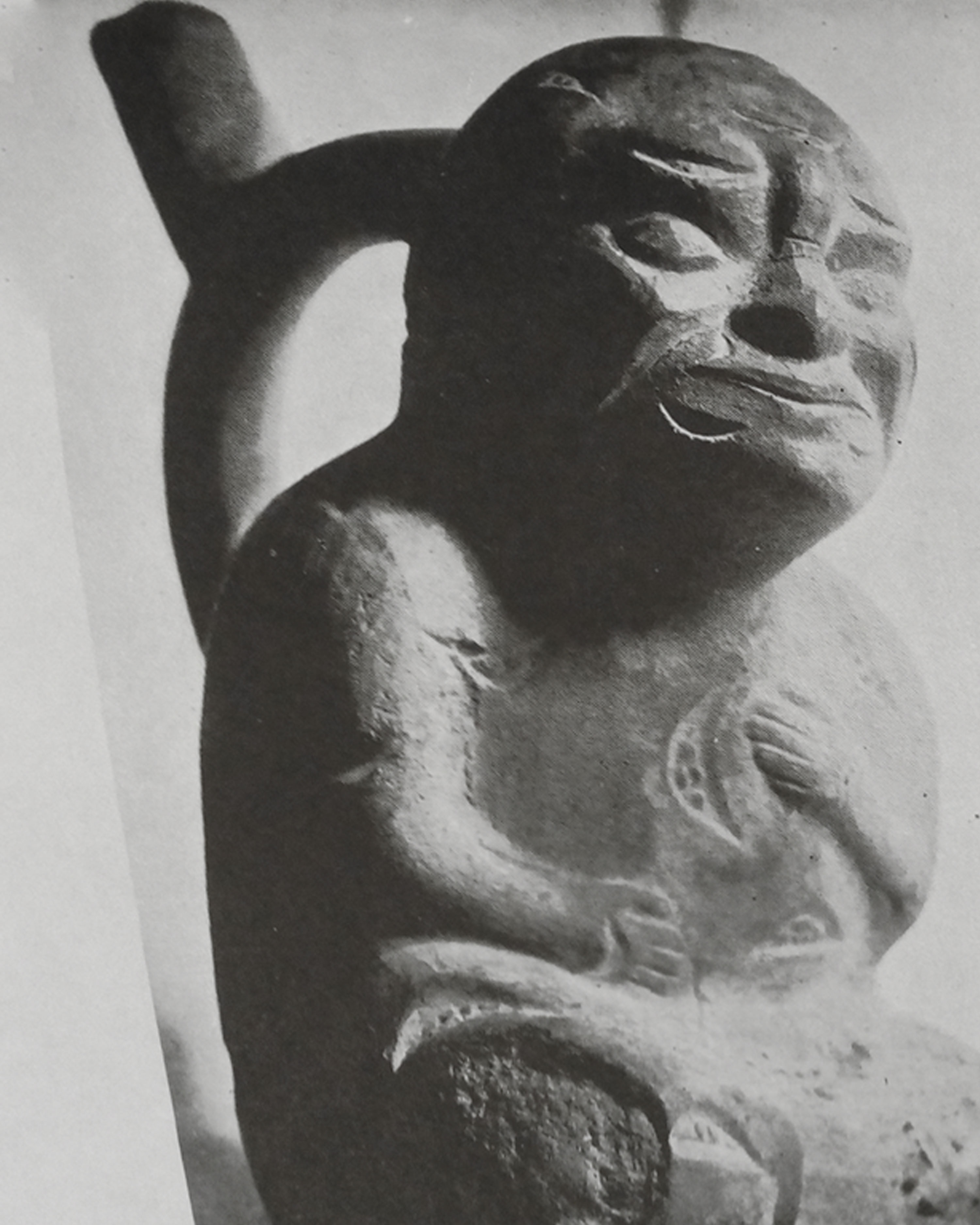
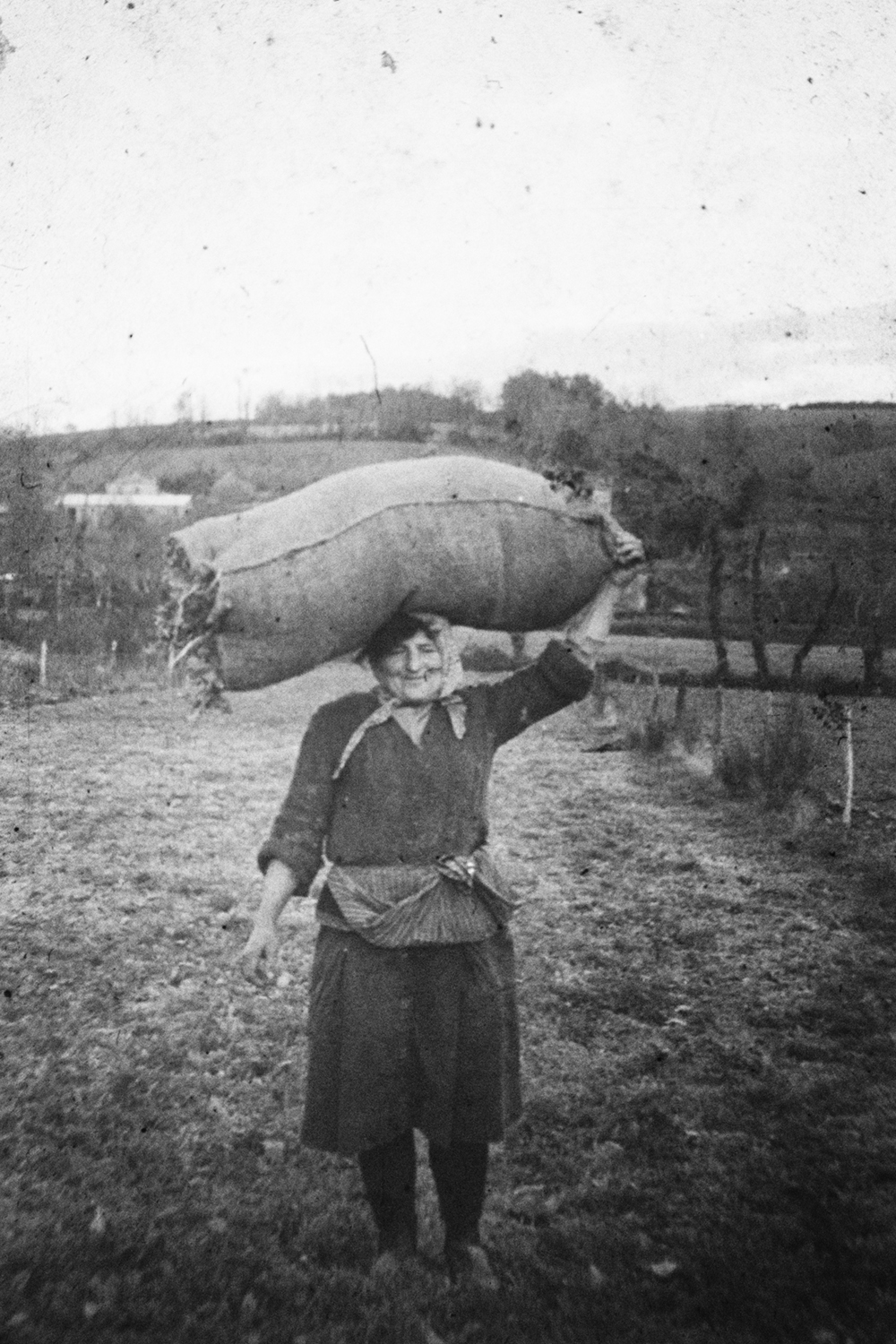
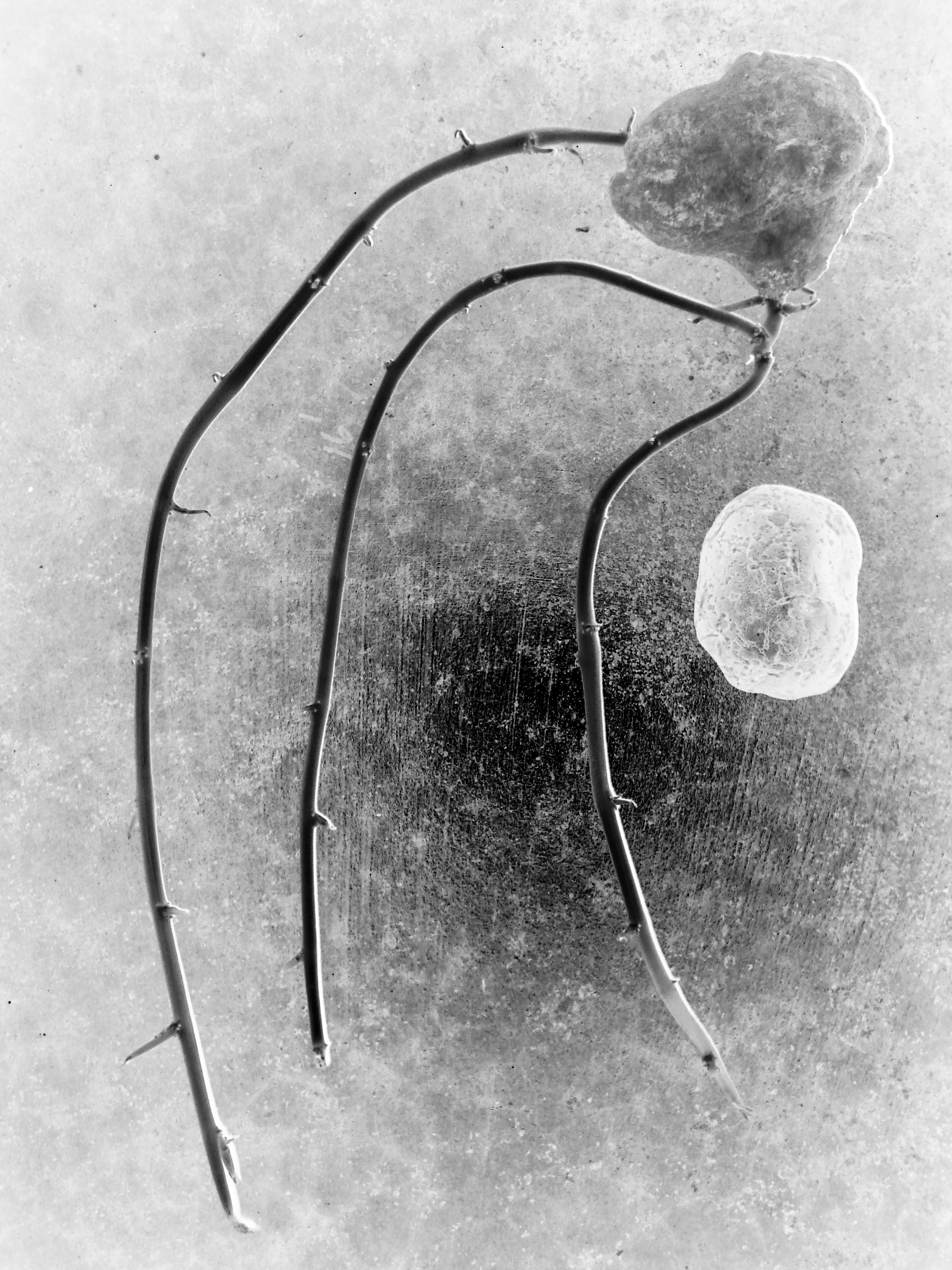
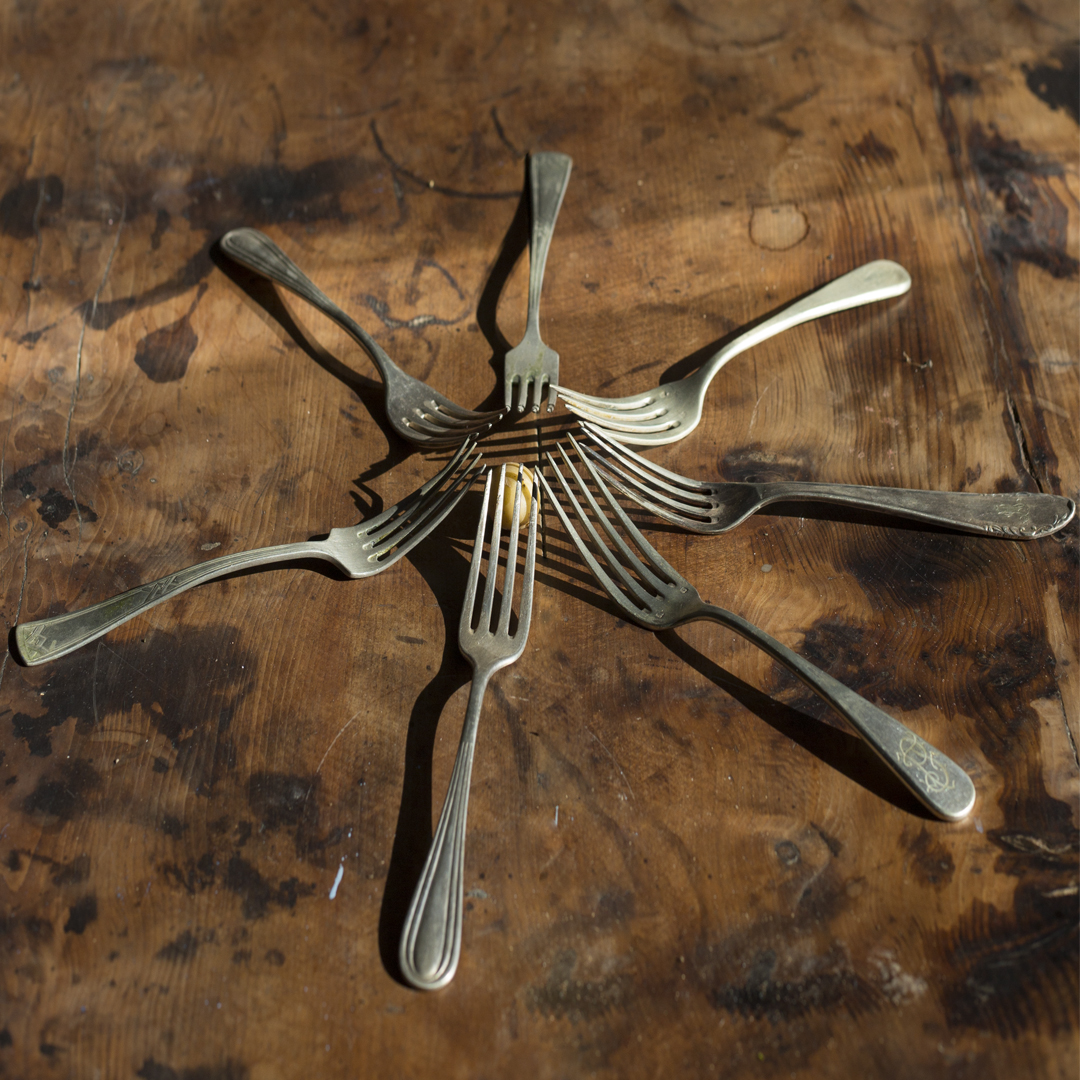

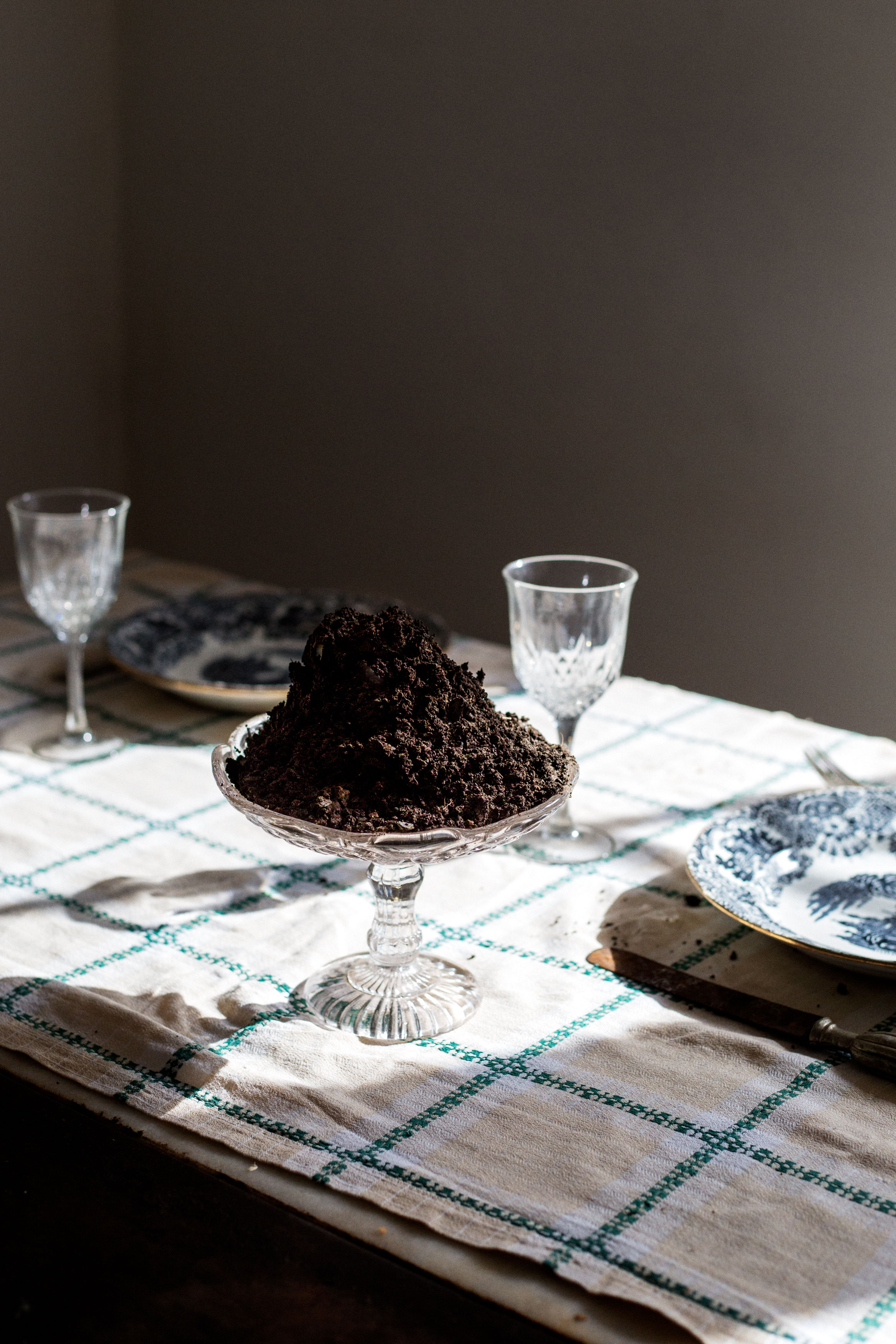
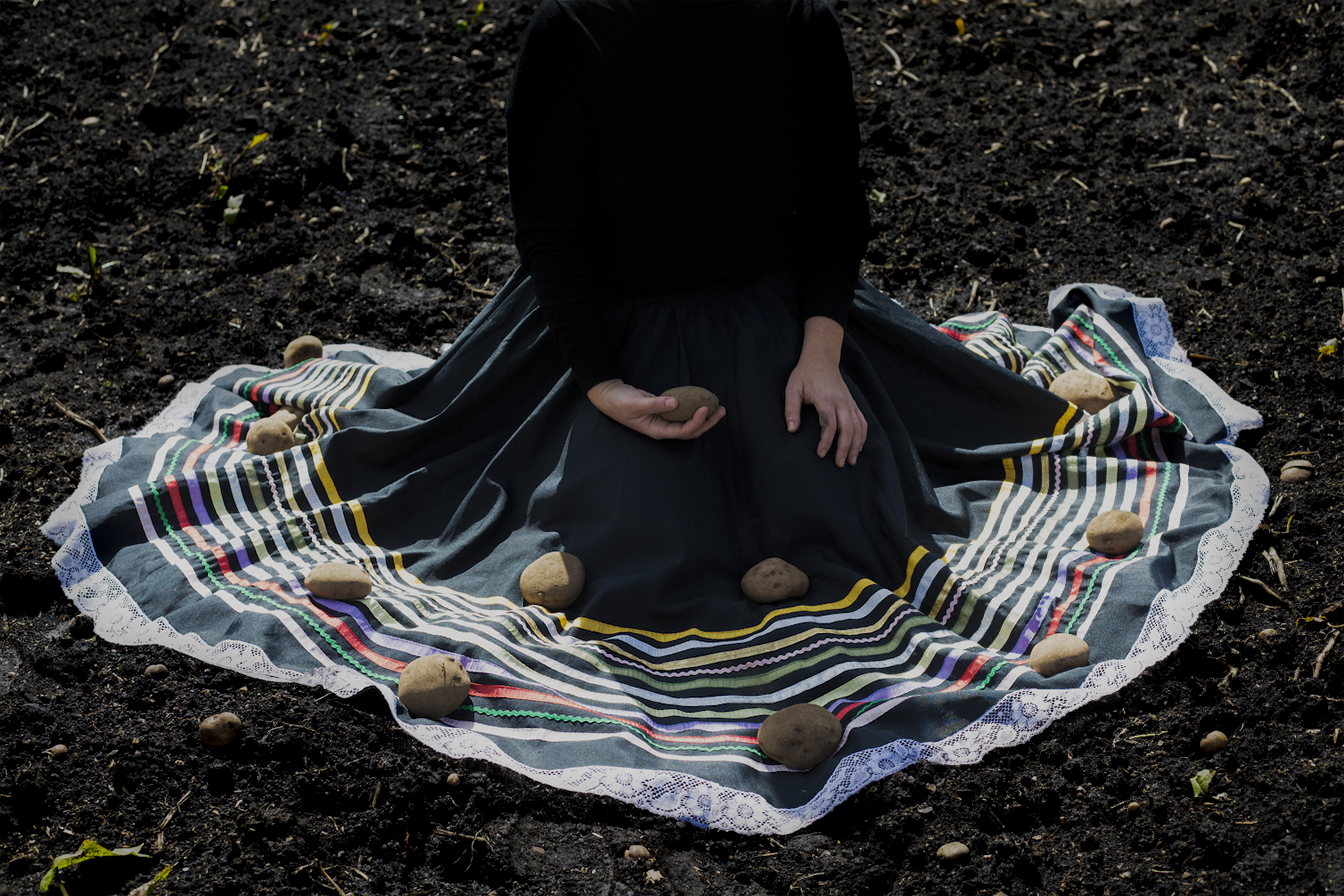


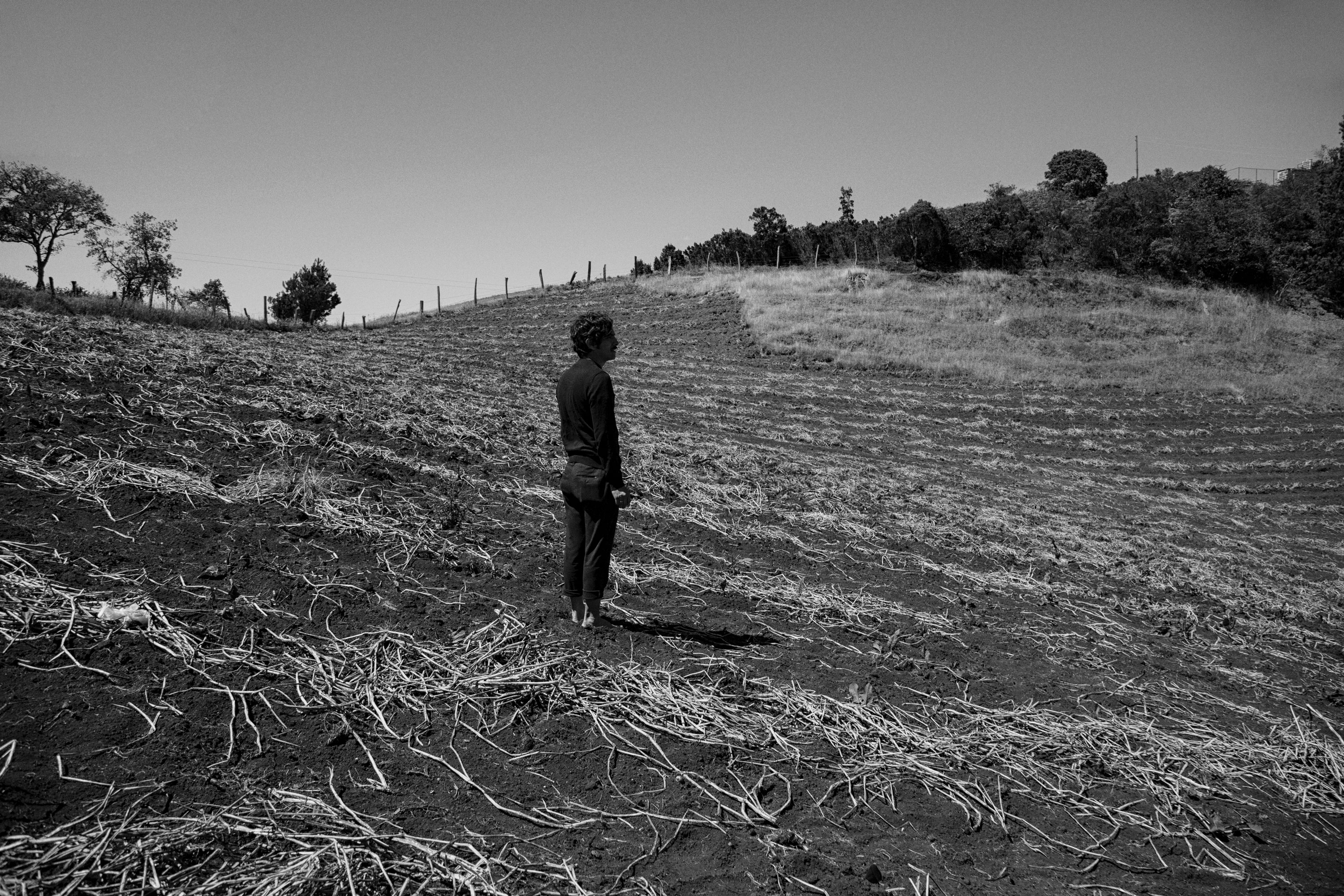
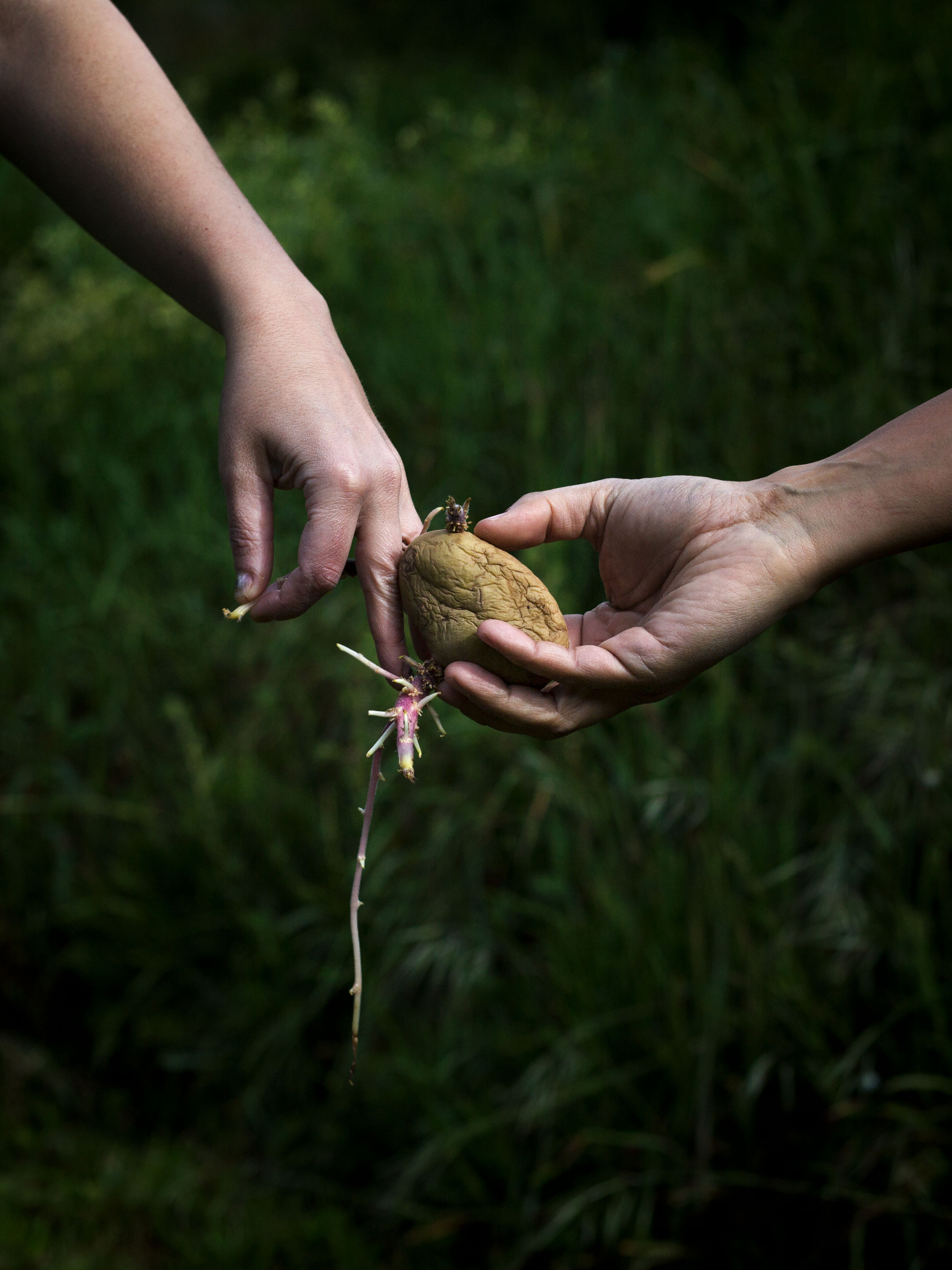

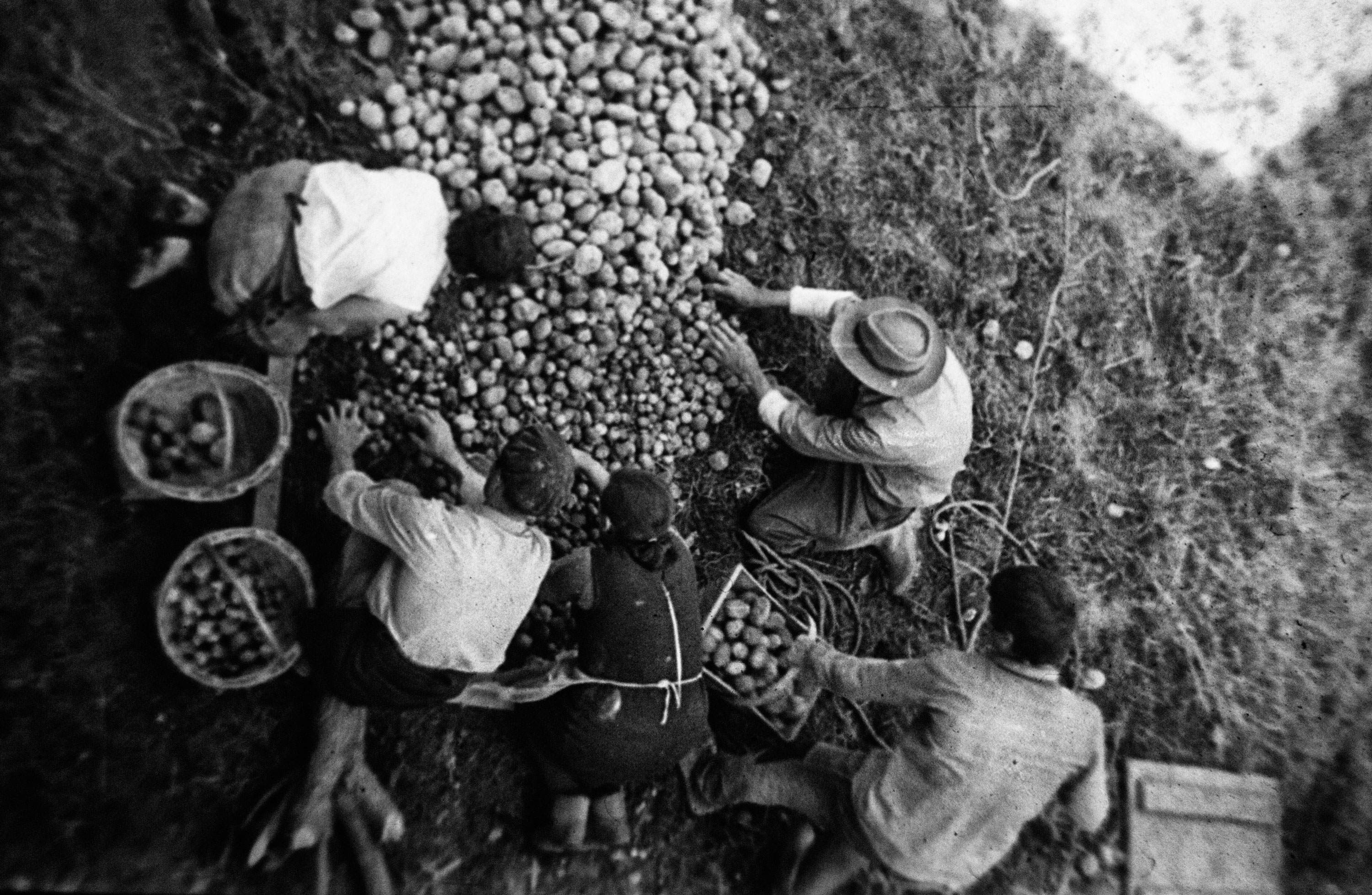
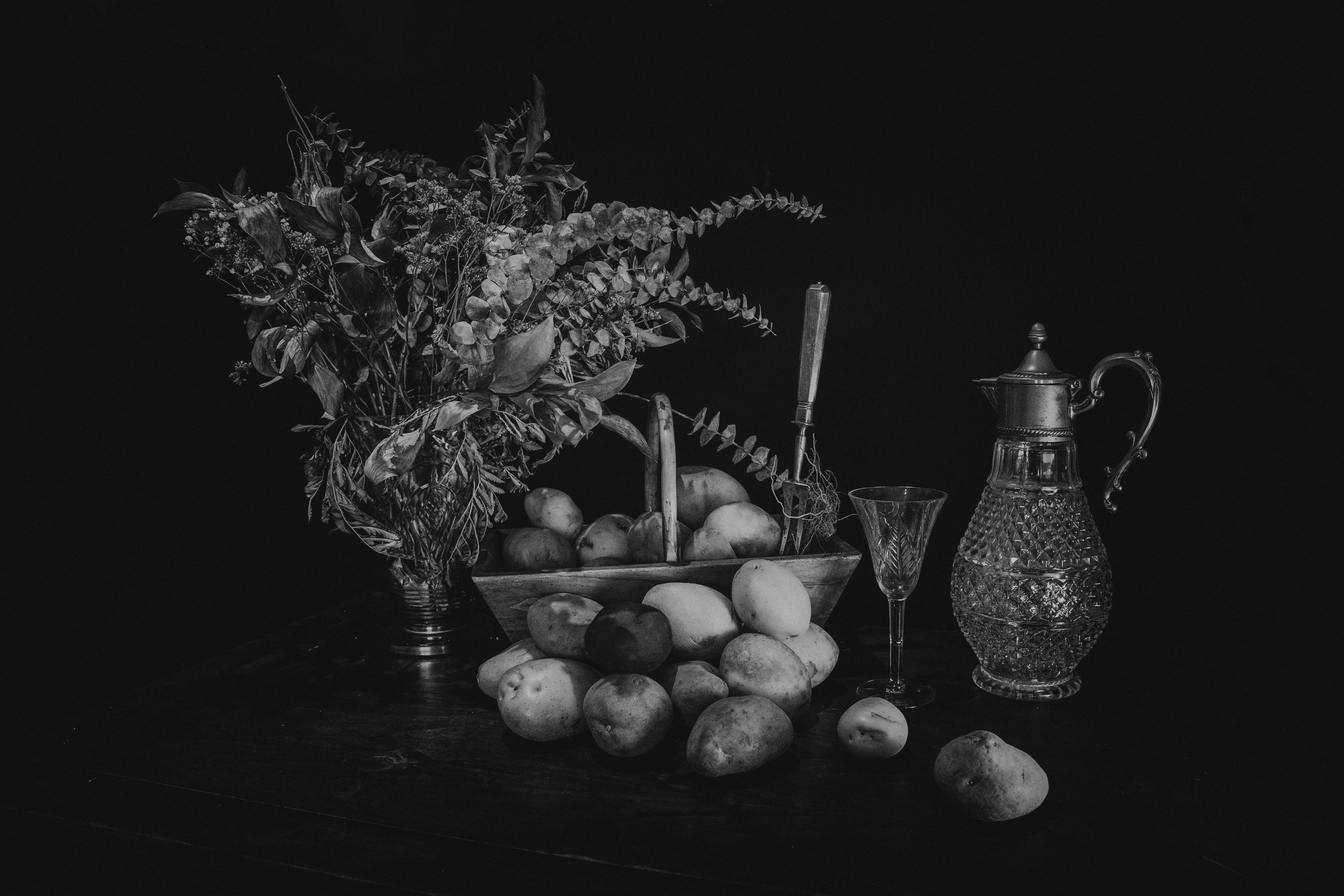
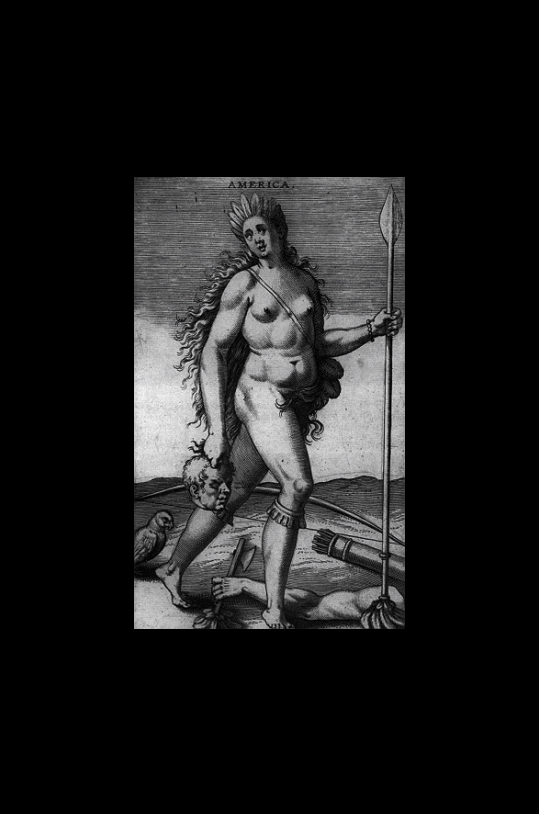
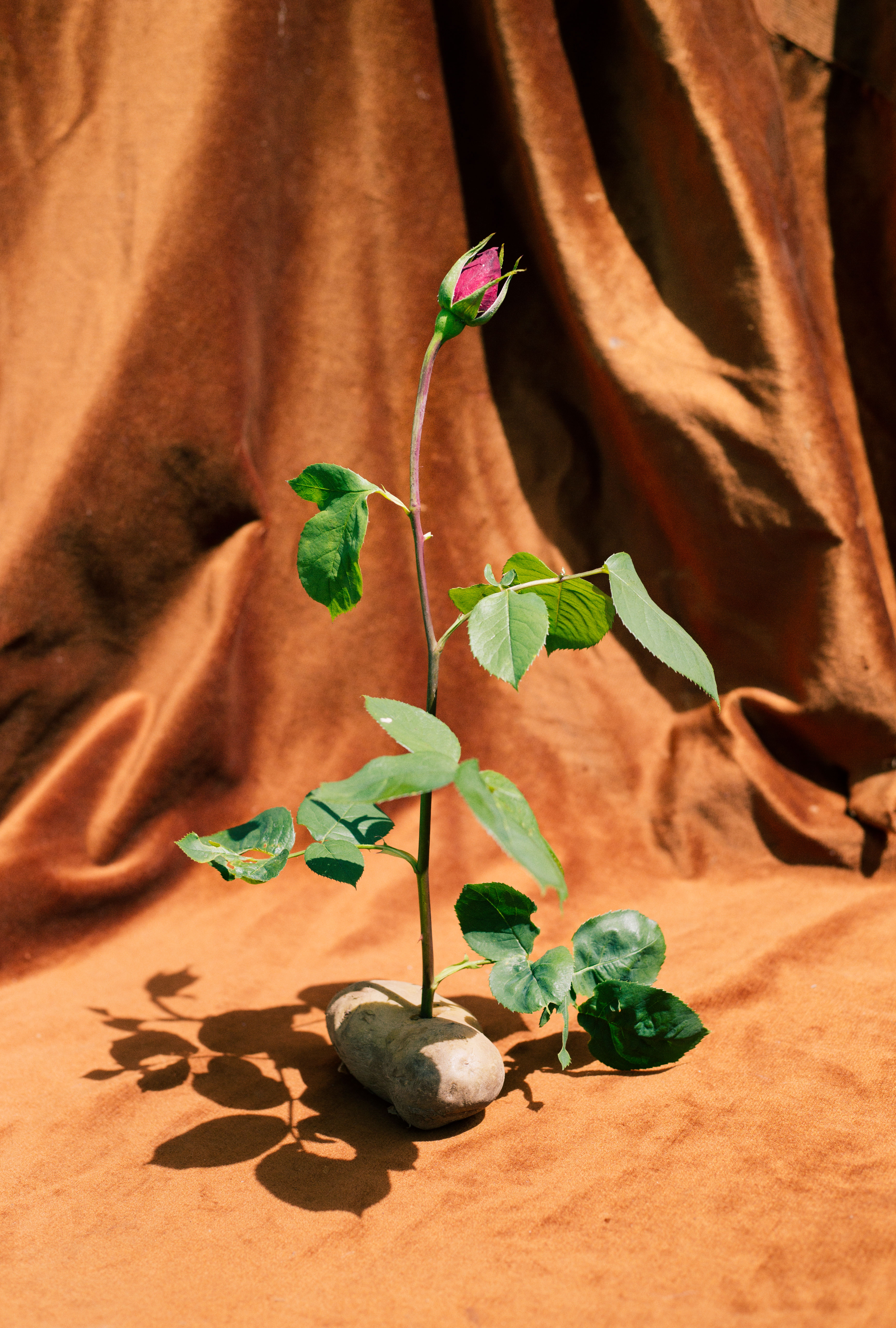
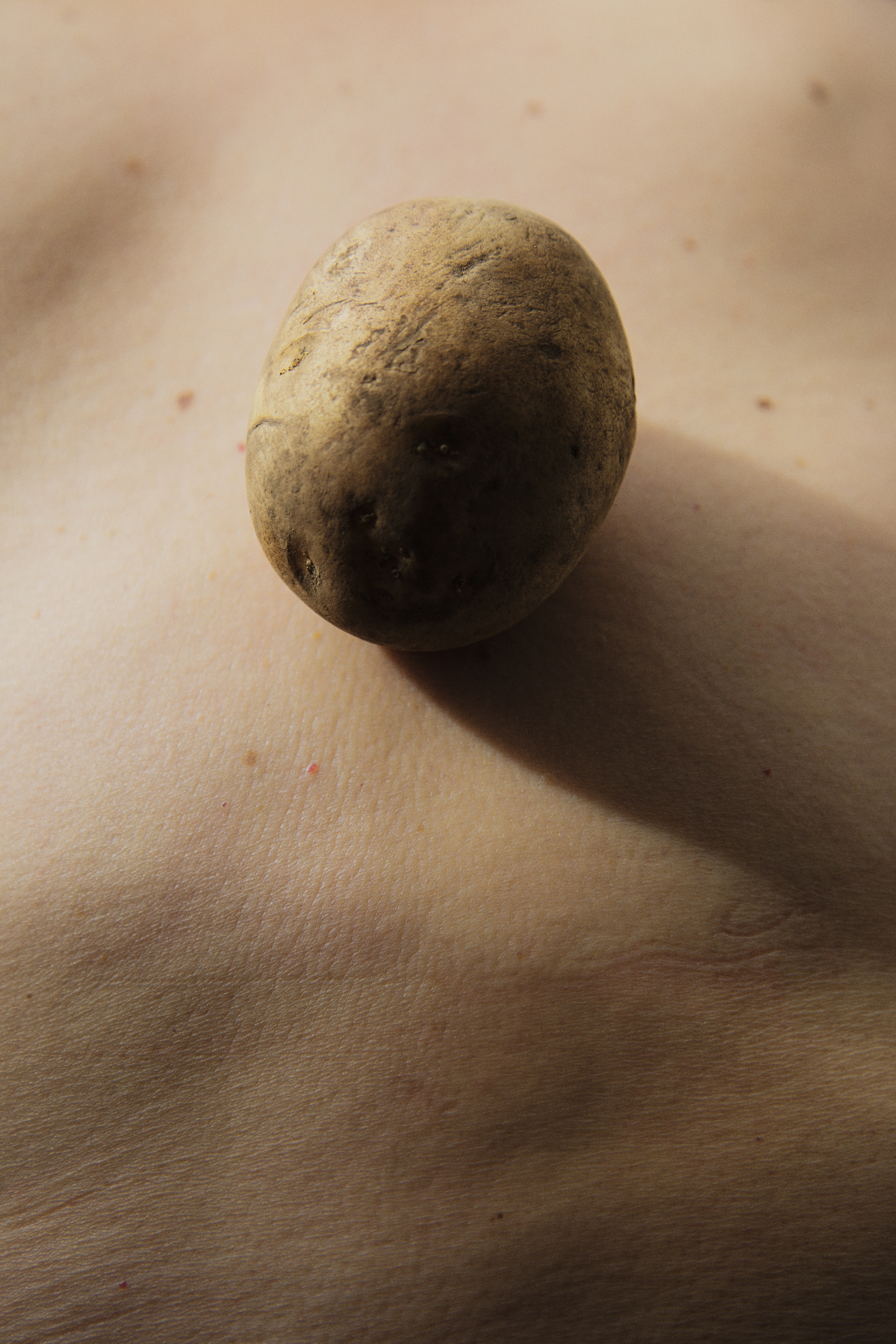
FOAM 3H. Fotografiemuseum Amsterdam.
Cooking Potato Stories. April-July 2022

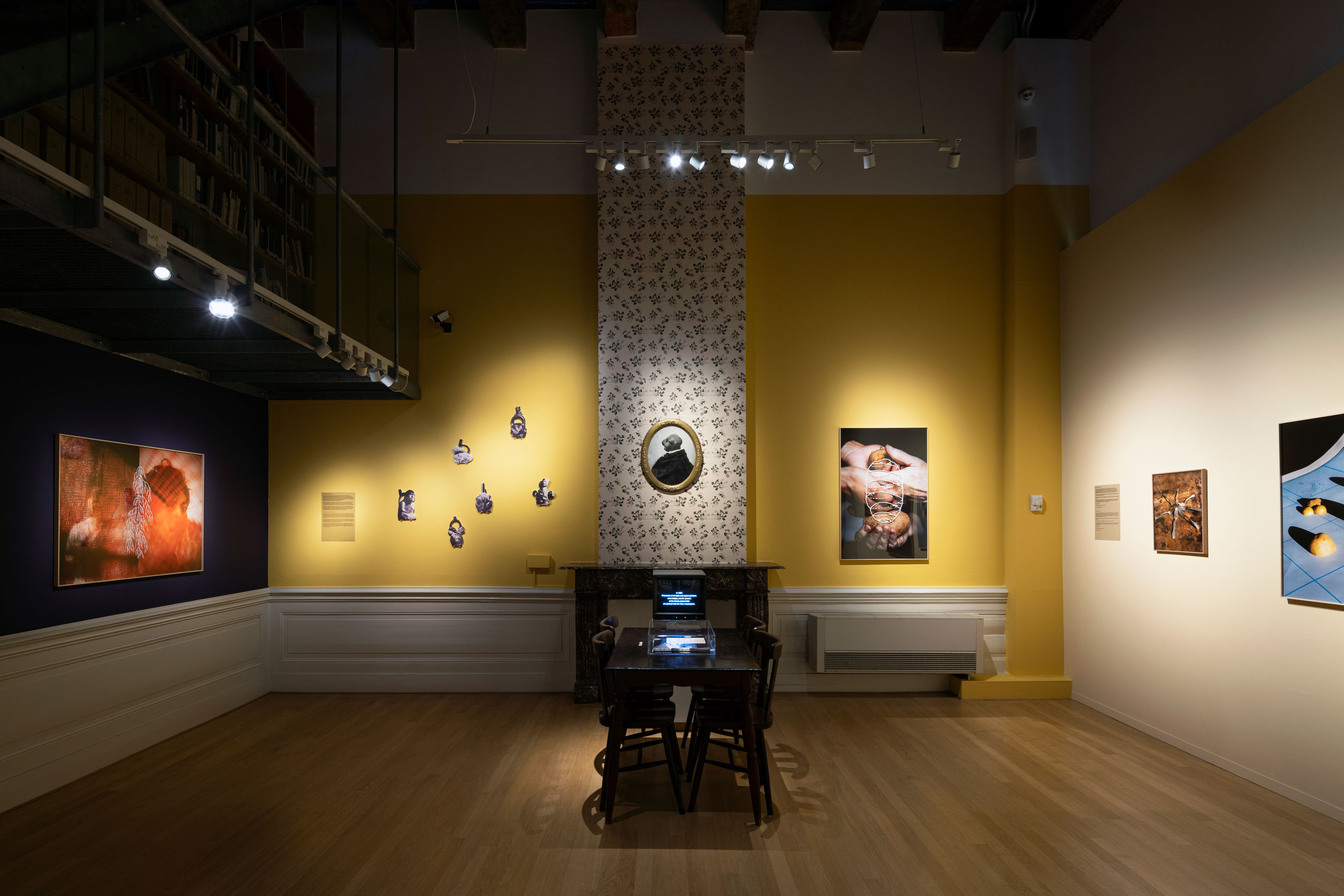

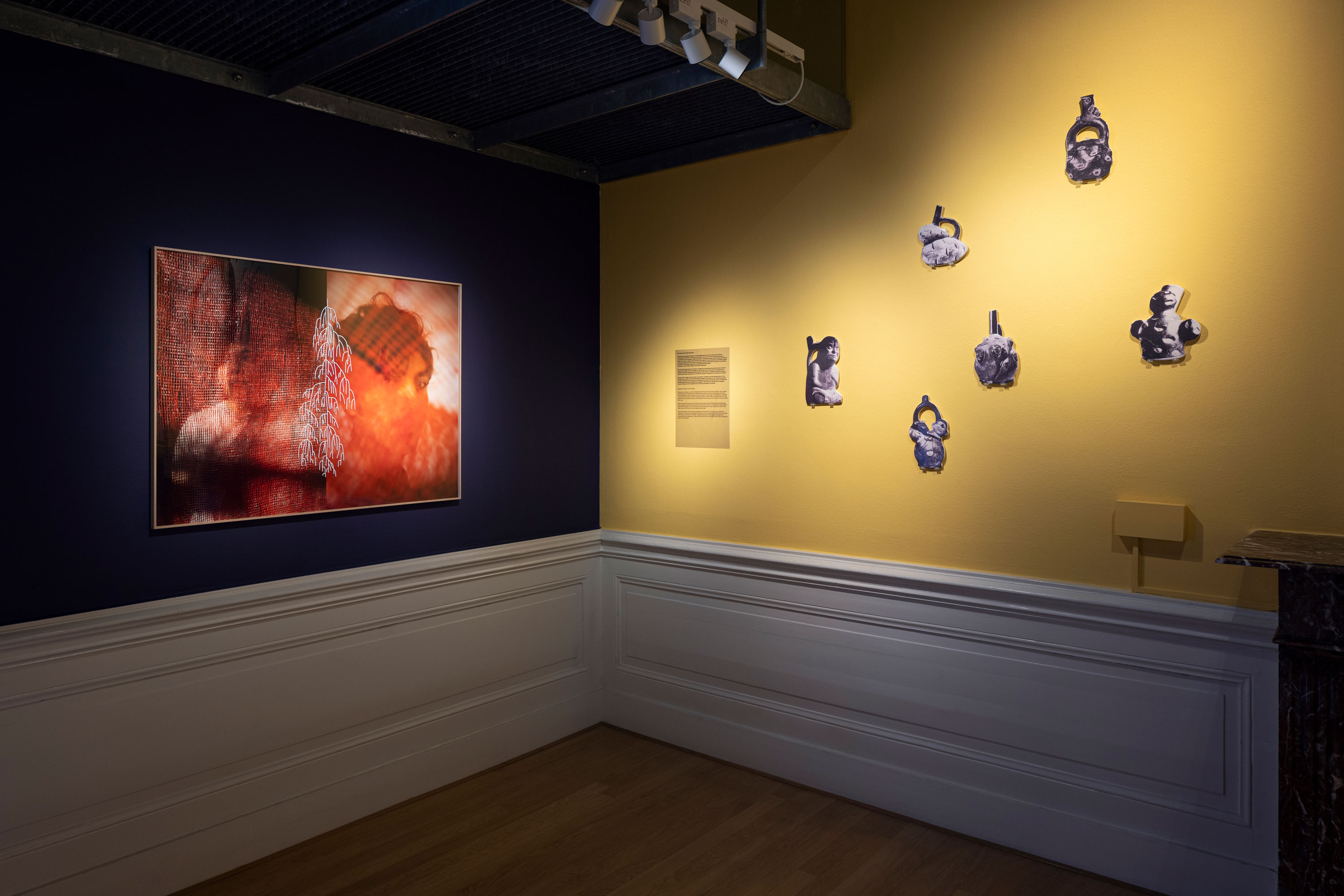
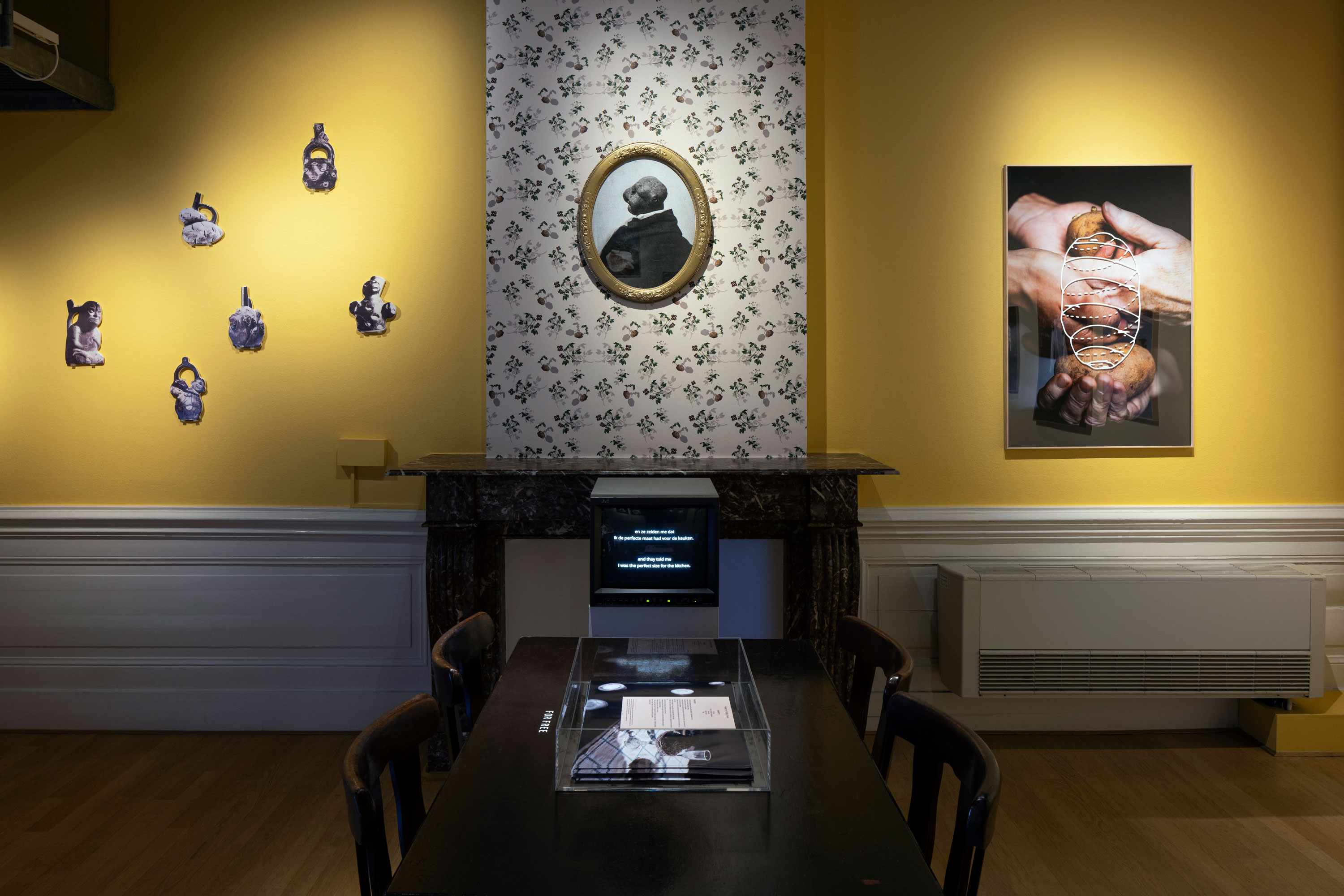

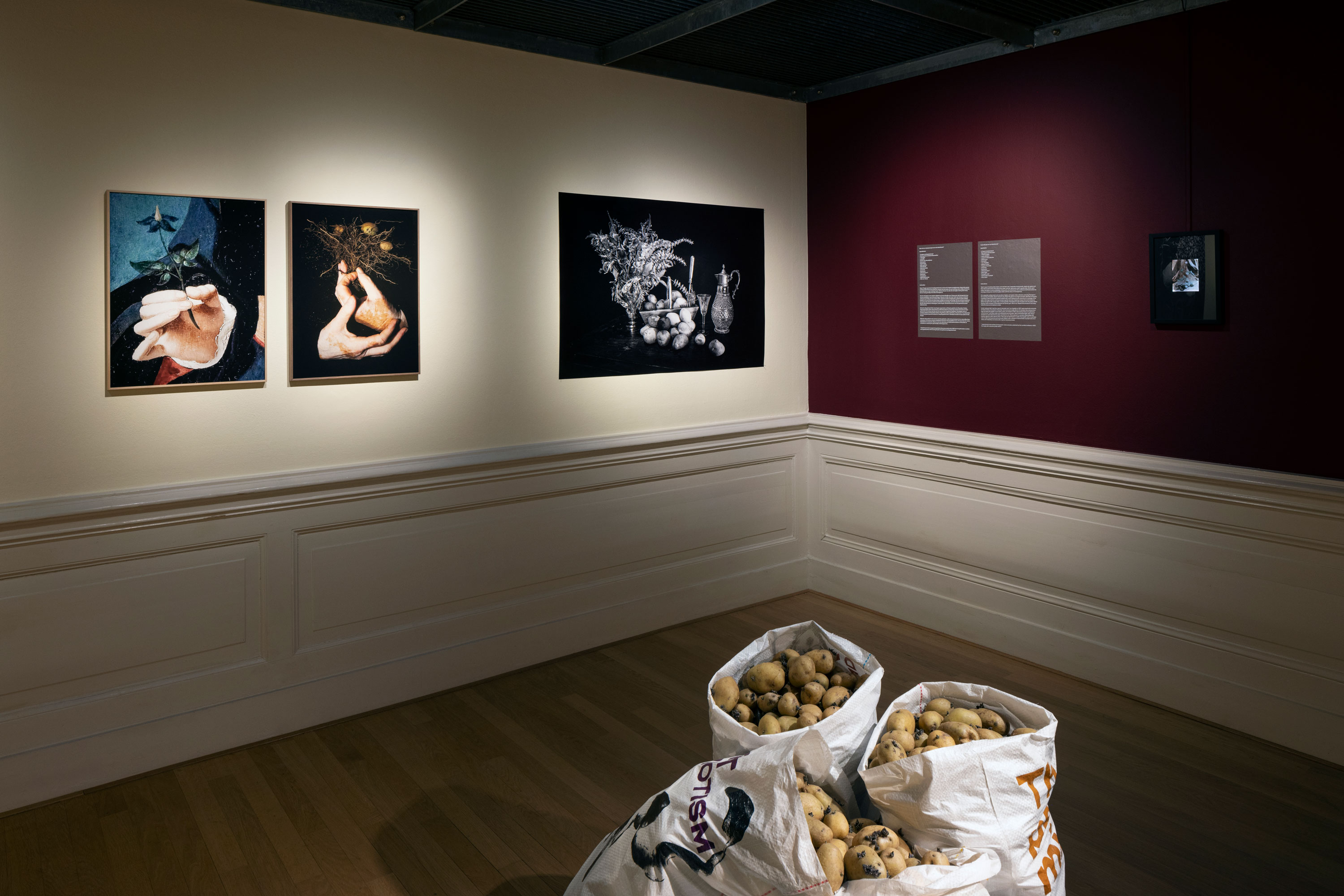
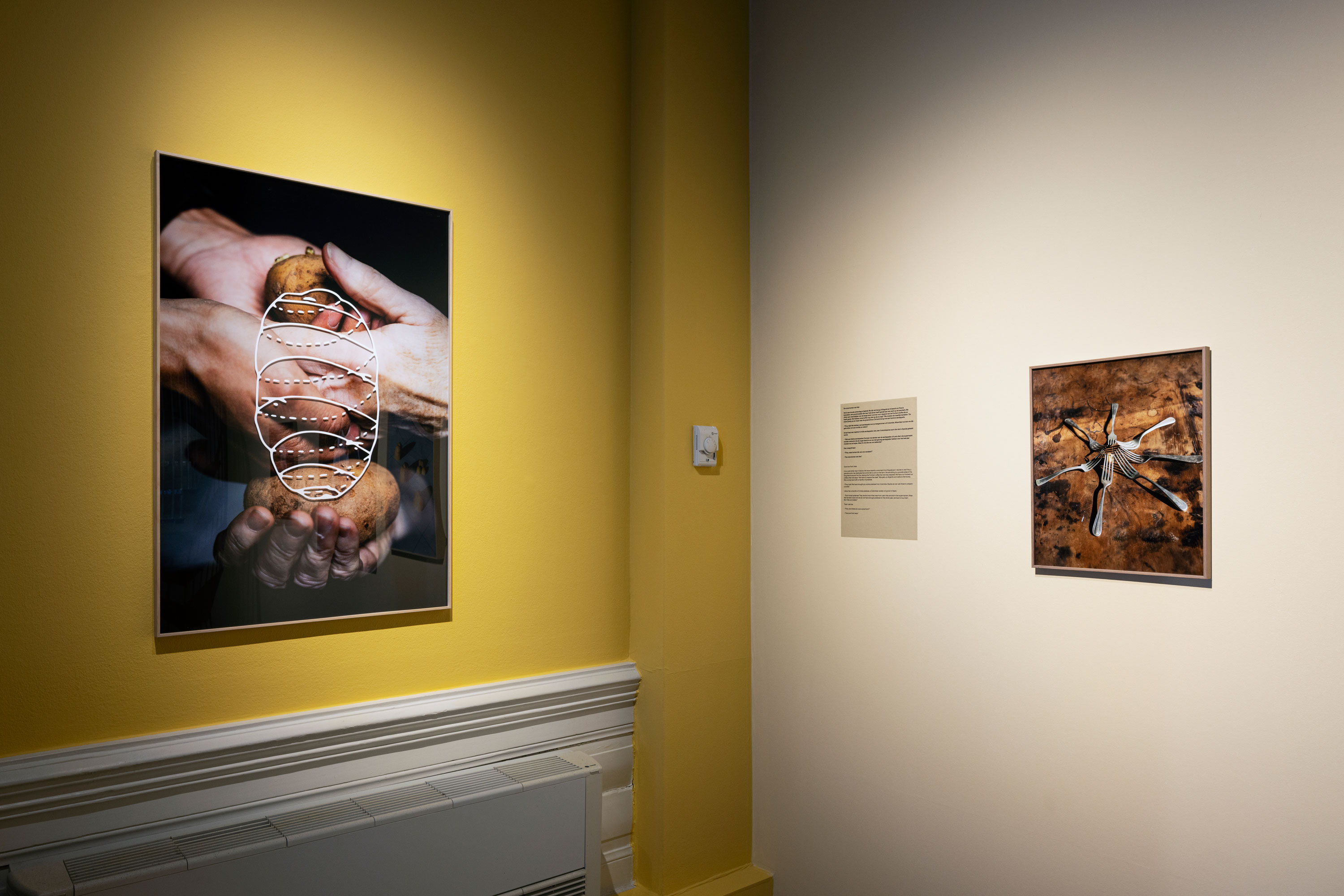
© Christian Van der Kooy
Foam 3h
Ana Núñez Rodríguez – Cooking Potato Stories
8 April – 10 July 2022
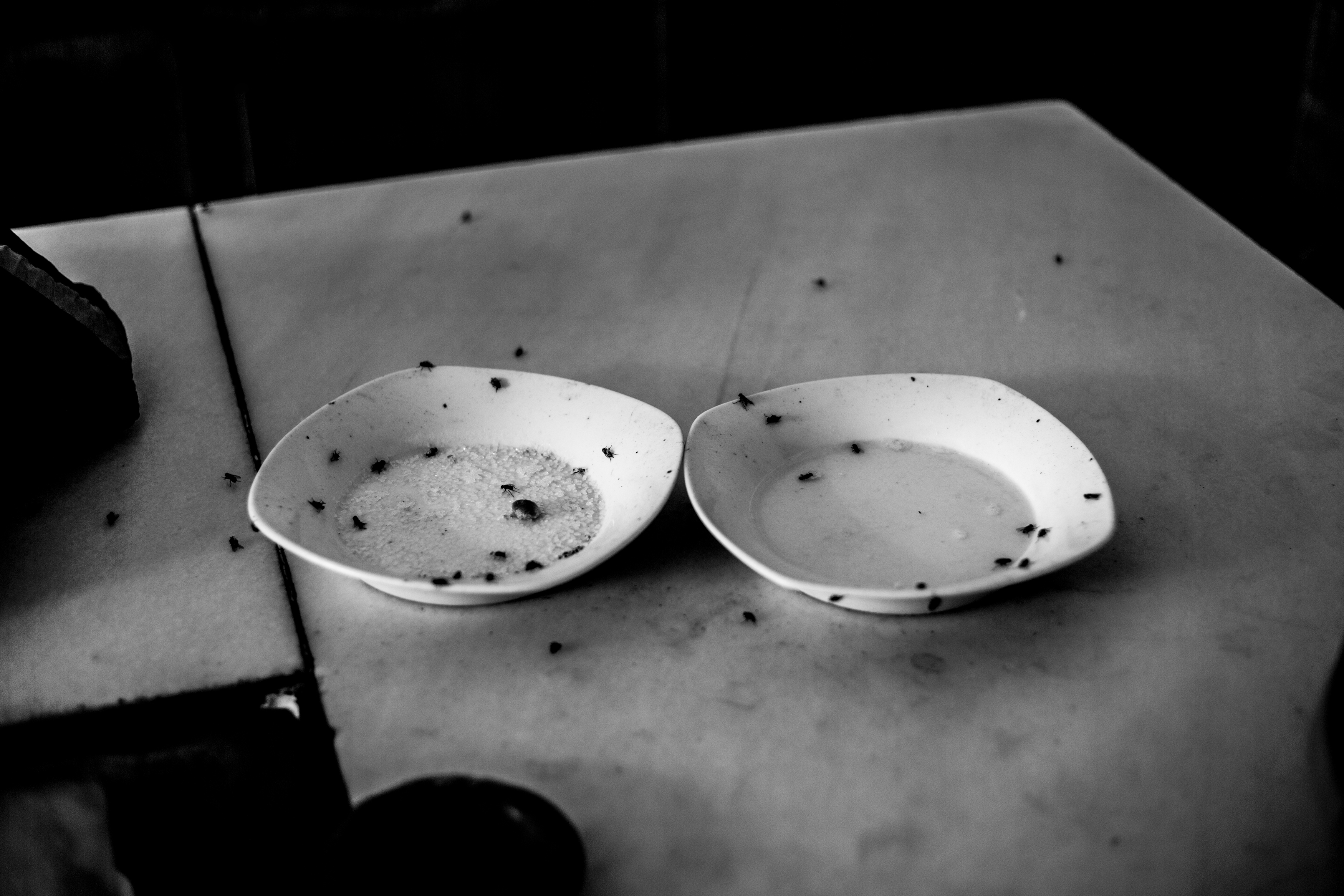
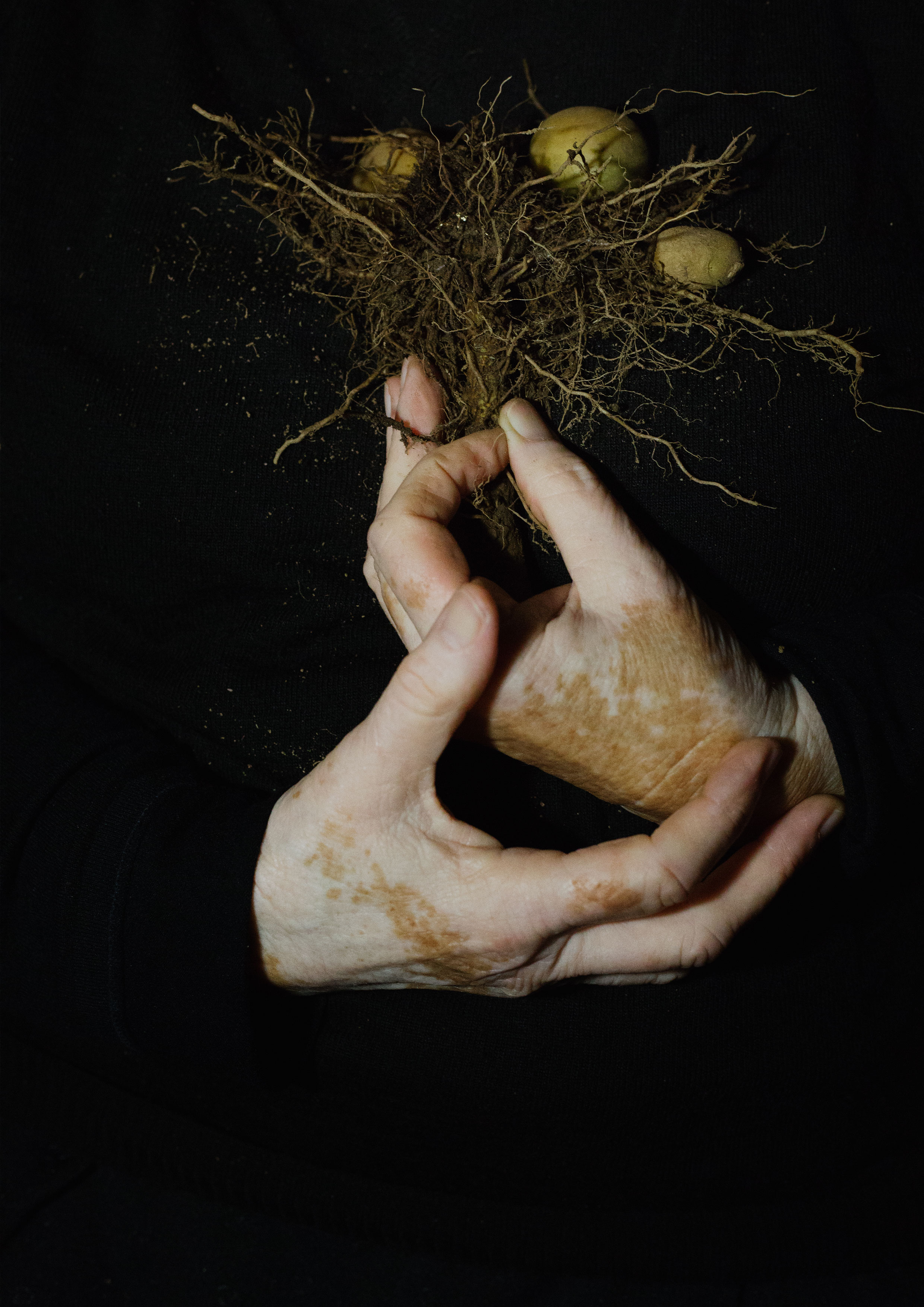
What can a potato tell us about ourselves? Tracing the trajectory of the potato across the world, Ana Núñez Rodríguez asked herself this question. The potato is cultivated almost everywhere, and globally cherished as an important part of local food cultures. Núñez Rodríguez set out on a quest to unearth local ‘potato stories’ across the world, including her own childhood memories and her migratory trajectory between Spain, the Netherlands and Colombia. The resulting harvest of verbal and visual anecdotes, recipes, myths and memories surrounding the potato forms a mosaic of how the humble crop universally inspires cultural and individual identities.
The artist’s family history is fundamentally intertwined with that of the potato: the crop was first domesticated in South America and was brought to Europe by the Spanish conquistadores in the 16th century. Through a process of cultivation and modification, it continued to spark unprecedented population growth in Europe and beyond, and radically transformed local cuisines. From fries to aloo, tortilla, gnocci, or ‘stamppot’, the tuber has since been widely adopted as a national or local food in countries across the world.
However intertwined our societies and economies are with the potato, none can truly call them native. The story of the potato began long before the concept of nation-states existed, and the trajectory of the potato from the Andes into our kitchens was marked by many obstacles. It took centuries for the crop to take root in the cold European soil, and was initially valued for its decorative flower. The work of Núñez Rodríguez shows us that the story of the potato is one of continuous metamorphosis and adjustment to its local surroundings; a feeling that the artist (and many with her) can identify with.
By collecting stories small and large, personal and historical, factual and fictional, Ana Núñez Rodríguez investigates how “[t]he potato packs a universe of symbolic information on identity, domination and social differentiation.” The many stories told in this exhibition present the humble potato as the product and cause of violence, famine and migration across the world. Yet they also talk about survival, sharing, belonging and family. The continuous transformation and adaptation of the potato becomes a metaphor for human resilience, and for how our identities are rooted in the stories we tell each other.
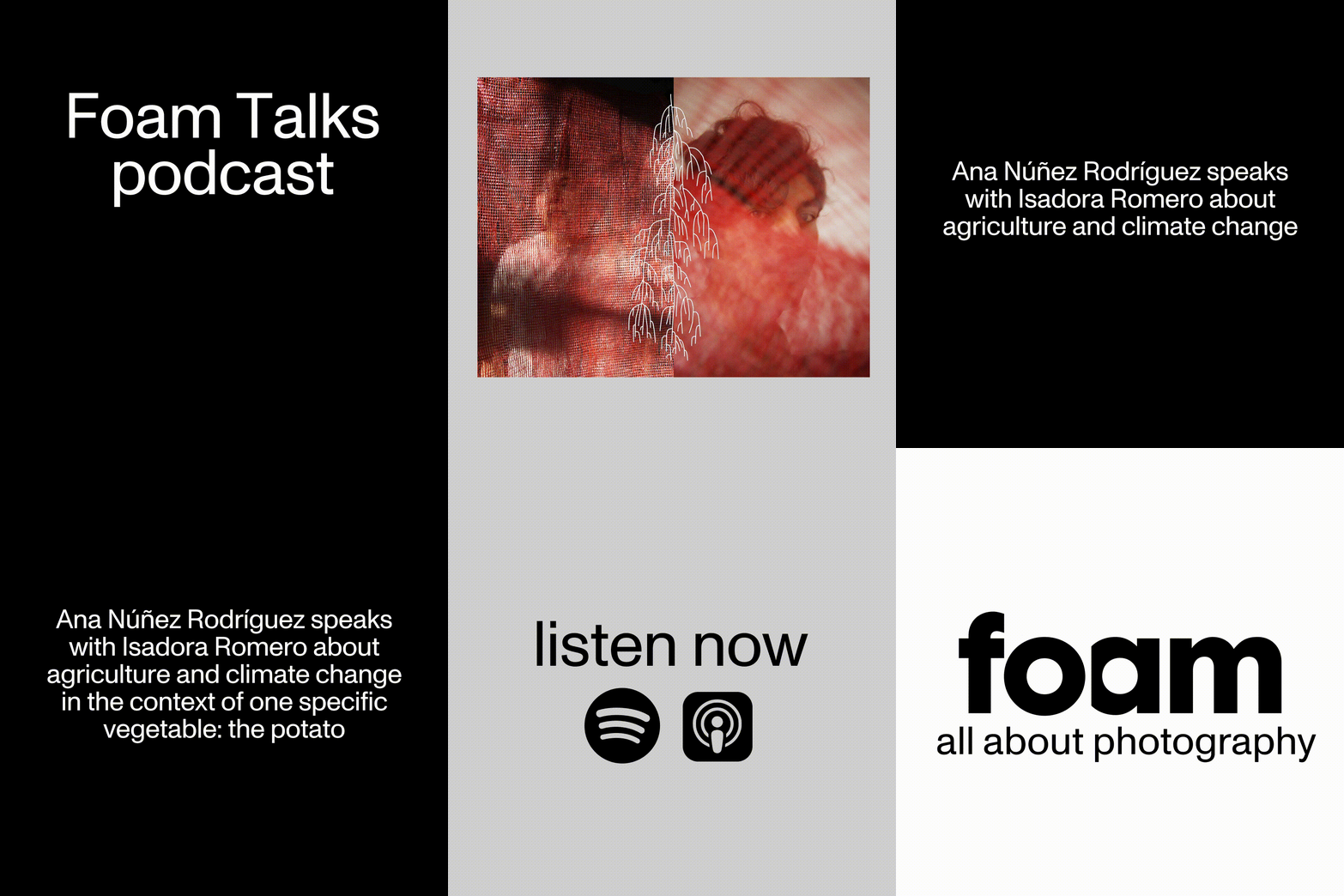
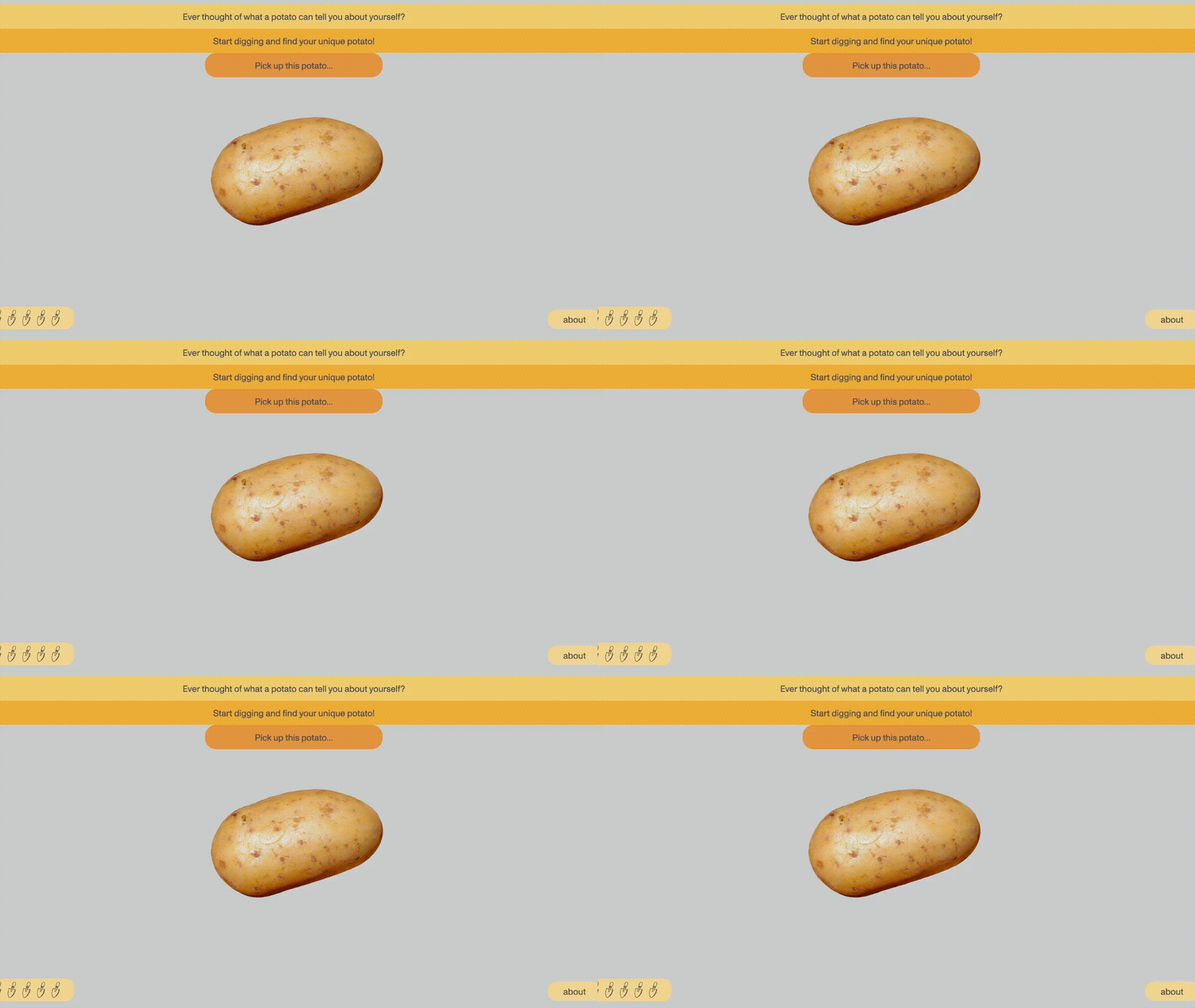
Talk with Foam curator Amelie Schüle Concept & Production: Valeria Posada Villada, Winke Wiegersma & Ana Núñez
and artist Isadora Romero Design & Development: Clara Pasteau
Listen it HERE Play it HERE
ATHENS PHOTO FESTIVAL 2O24.
Athens, Greece.

BIENNALE FOOD CULTURE DAYS 2O23
Intervention in the Food Market of Vevey, Switzerland.
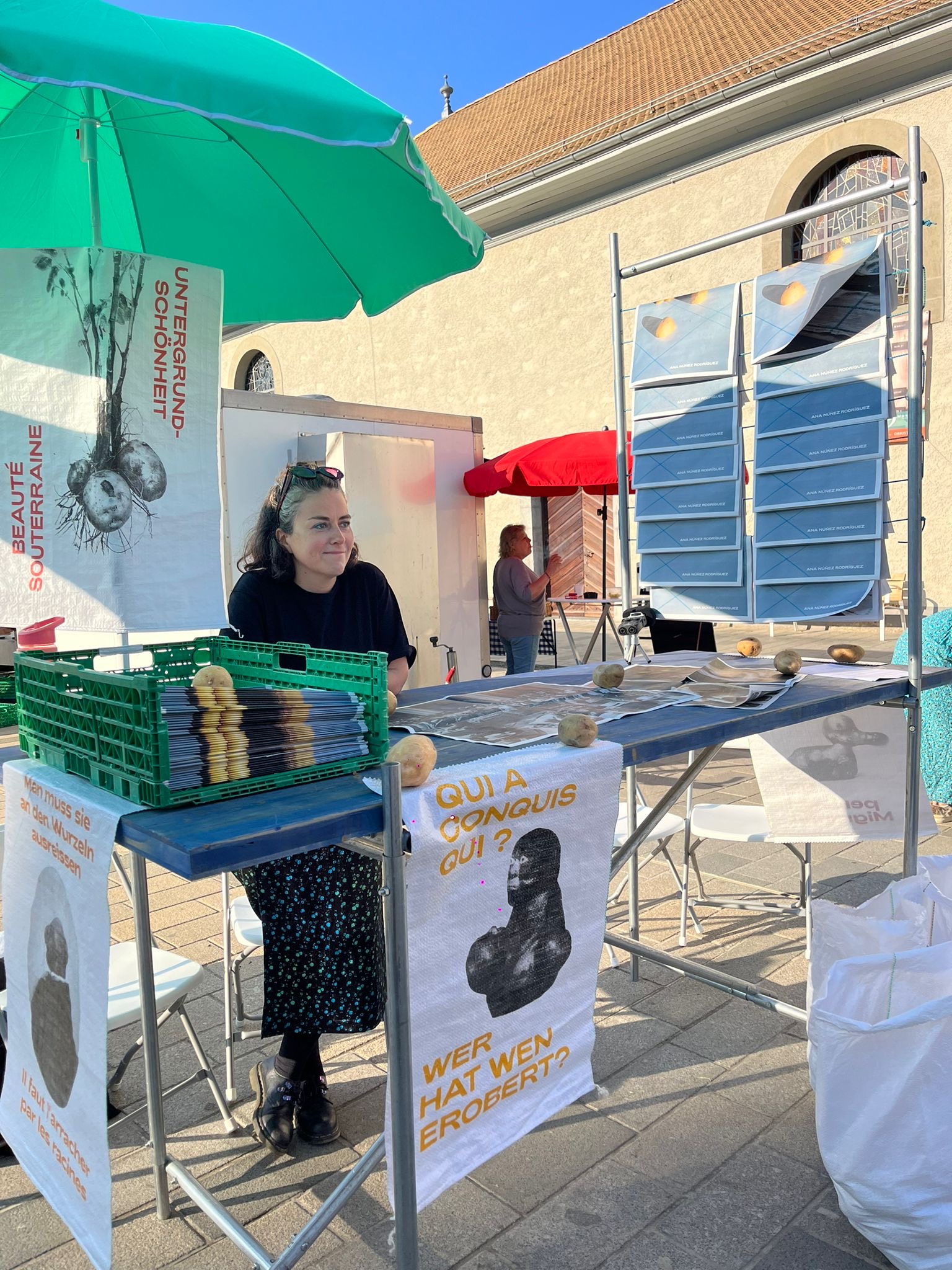
PHOTO IRELAND FESTIVAL 2021
Cooking Potato Stories on “Critical Recipes”
FESTIVAL CIRTULATION(S). 2022.
Paris, France.

LIGHTHOUSE 20-21
TALENT PROGRAMFOTODOK, Utrecht. The Netherlands
︎︎︎Digital Platform
FRICTION ATLAS
Royal Academy of Arts The Hague. The Netherlands. 2020


︎Photography and Society Digital Platform
︎KABK Graduation Show 2020